
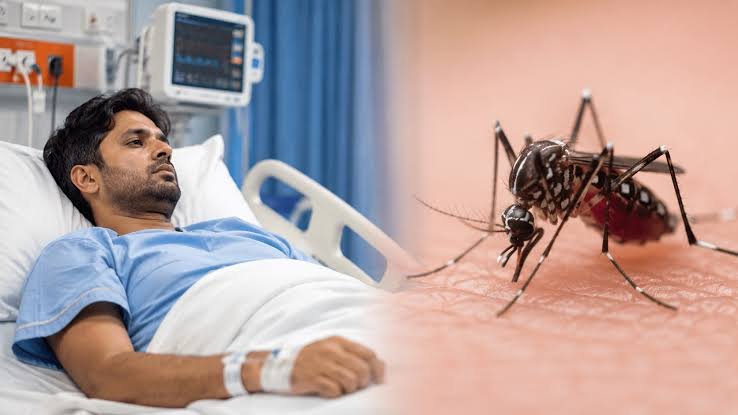
What Is Dengue Fever and How Does It Spread?
Dengue fever is a viral infection transmitted through the bite of an infected Aedes mosquito. These mosquitoes are commonly found in tropical and subtropical climates and can spread the virus in residential areas, cities and tourist destinations.
Unlike some other mosquito-borne infections, dengue-carrying mosquitoes are mainly active during daylight hours, particularly around early morning and late afternoon.
Travellers visiting countries such as India, Bangladesh, Thailand, Indonesia, Malaysia, Brazil and parts of the Caribbean may be exposed to dengue virus.
Common symptoms include:
- High fever
- Severe headaches
- Pain behind the eyes
- Muscle and joint pain
- Nausea and vomiting
- Skin rash
- Feeling unusually tired or weak
Most people recover from dengue fever, but some develop severe dengue, which can cause internal bleeding, shock and potentially life-threatening complications.
If you experience severe abdominal pain, persistent vomiting, bleeding, difficulty breathing or extreme weakness, seek urgent medical attention.
What Is the Dengue Fever Vaccine?
The dengue fever vaccine is designed to help protect against dengue disease caused by the dengue virus.
One vaccine licensed in the UK is called Qdenga, also known as the dengue vaccine Qdenga. It is a live attenuated vaccine, meaning it contains weakened forms of the virus that stimulate an immune response without causing dengue infection in healthy eligible recipients.
The vaccine targets all four dengue virus types, helping the immune system recognise and respond to the virus.
However, vaccination is not suitable for everyone. UK guidance recommends careful consideration of an individual’s previous dengue infection history, travel plans and medical circumstances before vaccination.
Who Is Eligible for the Dengue Vaccine in the UK?
One of the most important things to understand about dengue vaccination in the UK is that it is not routinely recommended for every holidaymaker.
UK guidance from the Joint Committee on Vaccination and Immunisation (JCVI) states that Qdenga can be considered for people aged four years and older who have a confirmed or likely previous dengue infection and who:
- Plan to travel to an area where there is a risk of dengue infection or an ongoing outbreak.
- Work with dengue virus in an occupational setting, such as certain laboratory environments.
Vaccination may also be considered for people without a previous dengue infection, but this requires a detailed discussion with a travel health clinician experienced in assessing the potential benefits and risks.
A clinical assessment is particularly important because the balance of risks can differ depending on previous exposure and individual circumstances.
Who Should Not Receive the Dengue Vaccine?
Because Qdenga is a live vaccine, it is not suitable for everyone.
It is contraindicated for:
- Pregnant women.
- Women who are breastfeeding.
- People with weakened immune systems.
- Children under four years of age.
- Individuals with a known serious allergy to a vaccine component.
Always disclose your medical history, current medication and previous vaccinations during your travel health consultation.
How Many Doses of the Dengue Fever Vaccine Are Needed?
The recommended Qdenga vaccination schedule consists of two doses.
The second dose is normally administered three months after the first dose.
Completing the recommended schedule is important for achieving the intended level of protection.
Travellers should plan their vaccination well in advance rather than waiting until a few days before departure. A healthcare professional can advise whether the vaccination schedule is appropriate for your travel dates.
What Are the Possible Side Effects of the Dengue Vaccine?
Like other vaccinations, the dengue fever vaccine can cause side effects. Most reported reactions are mild and temporary.
Common side effects may include:
- Pain or redness around the injection site.
- Headaches.
- Muscle pain.
- General tiredness.
- Mild fever.
- Feeling unwell.
These symptoms usually improve without specific treatment.
However, serious allergic reactions are possible with any vaccine, although they are uncommon. Seek immediate medical attention if you experience breathing difficulties, swelling of the face or throat, or other signs of a severe allergic reaction.
Your pharmacist or healthcare professional can explain the possible reactions and help determine whether vaccination is appropriate for you.
How Can Travellers Reduce the Risk of Dengue Fever?
Even if you receive a dengue vaccine, you should continue taking precautions against mosquito bites.
Vaccination does not replace mosquito bite prevention, and protection from mosquitoes remains an important part of travel preparation.
Here are some practical precautions:
Use insect repellent: Choose a suitable repellent containing DEET, picaridin or another recommended active ingredient. Follow the manufacturer’s instructions.
Wear protective clothing: Long-sleeved tops, trousers and clothing that cover exposed skin can help reduce mosquito bites.
Choose suitable accommodation: Where possible, stay in accommodation with air conditioning, window screens or mosquito nets where appropriate.
Avoid standing water: Mosquitoes breed in containers and other areas where water collects. Take care around these environments.
Apply repellent during the day: Remember that dengue-carrying mosquitoes are active during daylight hours, not just at night.
These precautions are particularly important when visiting tropical destinations with ongoing dengue transmission.
When Should You Arrange a Travel Health Consultation?
Ideally, arrange a travel health consultation at least six to eight weeks before departure. This gives you enough time to review your vaccination history, assess destination-specific health risks and complete any recommended vaccination schedules.
During your consultation, a healthcare professional may consider:
- Your destination and travel dates.
- Previous exposure to dengue fever.
- The duration of your stay.
- Your planned activities and accommodation.
- Your medical history.
- Current medications and previous vaccinations.
You should also discuss other recommended travel vaccinations, including Hepatitis A, Hepatitis B, Typhoid, Rabies and other destination-specific vaccines where appropriate.
Not every traveller requires the same vaccinations, so personalised advice is essential.
Dengue Fever Vaccine in Plaistow: Travel Health Advice at Newmans Pharmacy
Preparing for an international journey? Newmans Pharmacy provides professional travel health consultations in Plaistow, helping local travellers understand the vaccinations and preventive measures relevant to their destinations.
If you are researching the Dengue Fever Vaccine in Plaistow, our pharmacy team can help you understand the UK eligibility guidance and discuss your travel health requirements.
Our travel clinic serves patients across Plaistow, East Ham, Upton Park and surrounding areas of East London.
You can also enquire about other travel vaccinations, specialist vaccine requirements and antimalarial advice as part of your travel preparation.
Contact our branches:
Newmans Pharmacy – Abbey Arms
376 Barking Road, London E13 8HL
Telephone: 020 7476 1326
Newmans Pharmacy – Greengate
524–526 Barking Road, London E13 8QE
Telephone: 020 8472 5054
Visit Newmans Pharmacy before your next international trip and speak with our team about preparing for a safer and healthier journey.