NHS-contracted pharmacy · GPhC registered · Two branches in Plaistow

By Newmans Pharmacy / November 06, 2026
How Long Does Hep A Vaccine Last? Protection, Booster Doses and Vaccination Schedule
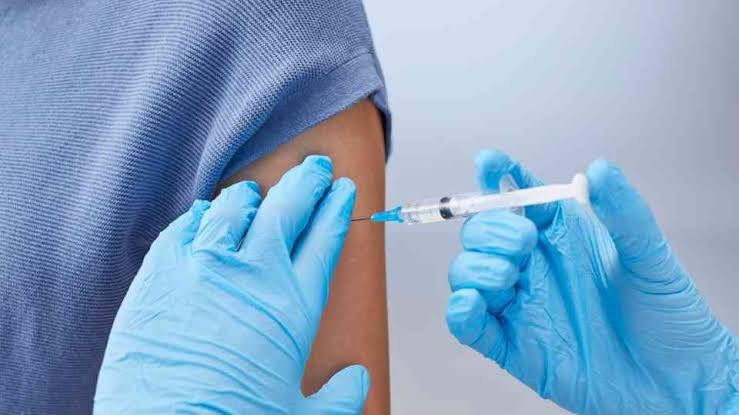
Hepatitis A is a viral infection that affects the liver and can cause symptoms such as tiredness, nausea, stomach discomfort, fever and jaundice. It is commonly spread through contaminated food and water or close contact with an infected person. Although many people recover fully, the illness can sometimes be more serious, particularly in adults and people with existing liver conditions.
Vaccination is one of the most effective ways to protect yourself against this infection, especially if you are planning to travel to a country where hepatitis A is more common.
One question people frequently ask is: how long does Hep A vaccine last? Understanding the recommended vaccination schedule, the importance of the second dose and when a booster may be needed can help you maintain protection.
How Long Does the Hep A Vaccine Last?
The duration of protection depends on whether you have received one dose or completed the recommended vaccination course.
A single dose of the hepatitis A vaccine provides protection for approximately one year. However, a second dose is recommended to develop long-term protection.
After completing the recommended two-dose course, protection is expected to last for at least 25 years and may last much longer. Current UK guidance suggests that immunity may be long-lasting, potentially indefinite, although further evidence is still being collected.
For most healthy people who complete the recommended course, an additional routine booster is not usually required after the second dose. However, people who remain at ongoing risk may need a further booster around 25 years later, following professional advice.
How Many Hepatitis A Vaccine Doses Do You Need?
For most people receiving a single-antigen hepatitis A vaccine, the standard course involves two doses.
The first injection provides initial protection, while the second dose strengthens the immune response and provides longer-term protection.
First dose: Initial protection
The first dose begins stimulating your immune system to produce antibodies against the hepatitis A virus.
Protection does not develop immediately. It generally takes around two to four weeks for a protective response to develop, although the exact timing can vary.
If you are travelling abroad, it is advisable to arrange your vaccination well before departure. Ideally, you should receive the first dose at least two weeks before potential exposure.
Second dose: Long-term protection
The second dose is usually administered six to twelve months after the first injection, depending on the vaccine brand and the recommended schedule.
This dose strengthens the immune response and helps provide long-lasting protection against hepatitis A.
If you have missed your second appointment, do not automatically assume that you need to restart the entire course. In many circumstances, a delayed second dose can still complete the vaccination course. Ask a pharmacist or healthcare professional to check your vaccination history and advise you on the correct timing.
When Should You Get a Hepatitis A Vaccine Booster?
A booster dose is an additional injection given to maintain or strengthen immunity.
For most healthy people who have completed the standard hepatitis A vaccination course, routine boosters are not generally required during the following years.
However, UK guidance indicates that a booster at around 25 years may be appropriate for people who remain at ongoing risk of hepatitis A.
Your healthcare professional may also recommend an individual vaccination plan if you have a weakened immune system, certain medical conditions or other circumstances that could affect your response to vaccination.
It is important not to confuse the second dose with a later booster. The second dose, normally given six to twelve months after the first, is part of completing the standard course. A booster many years later is a separate consideration for people who may still be at risk.
Who Should Consider the Hepatitis A Vaccine?
Hepatitis A vaccination is particularly important for people who may be exposed to the virus through travel, occupation or other circumstances.
You may be advised to consider vaccination if you:
- Are travelling to a country where hepatitis A is common.
- Are visiting areas with limited access to safe drinking water or sanitation.
- Have certain existing liver conditions.
- Have occupational or personal circumstances that increase your exposure risk.
- Have been advised to receive the vaccine following a potential exposure.
People travelling to parts of Africa, Asia, Central and South America, and other regions where hepatitis A is more common may benefit from travel health advice before departure.
The vaccine is not automatically necessary for every destination. Your travel plans, accommodation, activities, medical history and previous vaccination records should all be considered.
What Happens If You Only Receive One Dose?
Receiving one dose is still beneficial because it provides initial protection against hepatitis A.
However, if you want longer-term protection, you should arrange the recommended second dose according to the vaccine schedule.
If several months or even years have passed since your first injection, speak to a pharmacist or healthcare professional before making a decision. Depending on the vaccine used and your circumstances, you may be able to receive the outstanding dose without restarting the course.
Keep any vaccination records you have, including appointment dates and vaccine details. These can help your healthcare professional identify which dose you need.
How Effective Is the Hepatitis A Vaccine?
The hepatitis A vaccine is highly effective at preventing infection when the recommended course is completed.
It works by introducing an inactivated form of the virus to your immune system. This allows your body to develop antibodies without causing hepatitis A infection.
If you encounter the virus in the future, your immune system can recognise it and respond more effectively.
However, vaccination does not protect against every type of liver infection. The hepatitis A vaccine specifically protects against hepatitis A and does not provide protection against hepatitis B, hepatitis C or hepatitis E.
For people who need protection against more than one infection, a healthcare professional may discuss whether a combined hepatitis A and hepatitis B vaccine is suitable.
Are There Any Side Effects of the Hepatitis A Vaccine?
Most people tolerate the hepatitis A vaccine well. Like other vaccinations, it can cause mild and temporary side effects.
Commonly reported reactions include:
- Pain, redness or tenderness around the injection site.
- Headache.
- Feeling tired.
- Mild fever.
- Reduced appetite.
- General discomfort.
These reactions usually settle without treatment.
Serious allergic reactions are rare, but you should seek urgent medical attention if you experience signs of a severe allergic reaction, such as difficulty breathing, swelling of the face or throat, or a widespread serious reaction after vaccination.
Before receiving the vaccine, tell your healthcare professional about any previous allergic reactions to vaccines, relevant medical conditions, pregnancy or medicines that may affect your immune system.
When Should You Get the Hepatitis A Vaccine Before Travelling?
Ideally, you should arrange a travel health consultation around six to eight weeks before your departure. This gives you enough time to review your destination, check your vaccination history and receive any recommended vaccines.
For hepatitis A, the first dose is ideally given at least two weeks before potential exposure. However, if your departure is approaching, you should still seek advice rather than assume it is too late.
A healthcare professional can assess your travel plans and determine whether vaccination is appropriate.
Remember that different vaccines have different schedules. If you are receiving a combined hepatitis A and hepatitis B vaccine, for example, the number and timing of injections may differ from the standard hepatitis A-only course.
Where to Get a Hepatitis A Vaccine in Plaistow?
If you are planning an international trip or want to protect yourself against hepatitis A, getting professional vaccination advice is an important step. Understanding your vaccination history and completing the recommended doses can help provide long-term protection.
For residents looking for a Hepatitis A vaccine in Plaistow, Newmans Pharmacy offers hepatitis A vaccination through its travel health service. The pharmacy has two branches on Barking Road, making it convenient for residents of Plaistow, Newham and surrounding East London areas.
Newmans Pharmacy provides pharmacist-led vaccination advice, helping patients understand the recommended schedule and whether they need an initial dose or a follow-up injection.
You can contact either branch to enquire about appointments, vaccine availability and current pricing:
Abbey Arms Branch: 376 Barking Road, London E13 8HL. Telephone: 020 7476 1326.
Greengate Branch: 524–526 Barking Road, London E13 8QE. Telephone: 020 8472 5054.
If you have received a previous hepatitis A vaccination, take your vaccination records with you so the pharmacist can advise you on the appropriate next dose.
To learn more or enquire about an appointment, visit the Newmans Pharmacy Hepatitis A vaccination service page.
Vaccine prices
We keep our pricing clear, so you know what to expect before you book. Any treatment or vaccination is always subject to a pharmacist’s assessment, and your exact cost is confirmed before you go ahead with anything.
Frequently Asked Questions
One dose generally provides protection for around 12 months. A second dose, usually given six to twelve months later, is recommended to provide long-term protection.
A completed two-dose course is expected to provide protection for at least 25 years and may provide protection for much longer. Current evidence suggests immunity may be indefinite, but people with ongoing exposure risks should seek advice about whether a booster is needed.
You may not need to restart the course. In many cases, a delayed second dose can still strengthen your protection. Contact a pharmacist or healthcare professional to check the appropriate schedule for your vaccine.
Ideally, receive your first dose at least two weeks before potential exposure. Arranging a travel health appointment six to eight weeks before departure gives you more time to review other vaccination requirements.
No. The second dose is normally given six to twelve months after the first, rather than every year. After completing the course, most healthy people do not need routine annual boosters. A booster around 25 years later may be considered for people who remain at ongoing risk.
Other Posts
- Dengue Fever Vaccine | Everything UK Travellers Need to Know Before Travelling
- What Causes Earwax Build-Up? Symptoms, Safe Removal and Treatment Options
- How to Remove Ear Wax Blockage Fast | Safe Tips and Professional Advice
- Hajj and Umrah Vaccines in Plaistow | Your Guide Before Pilgrimage
- COVID Vaccine in Bethnal Green | Eligibility, Safety and Booking Guide